Small Simple Rainbow Embroidery Design Review
First Impressions: A Versatile and Friendly Machine Embroidery Design
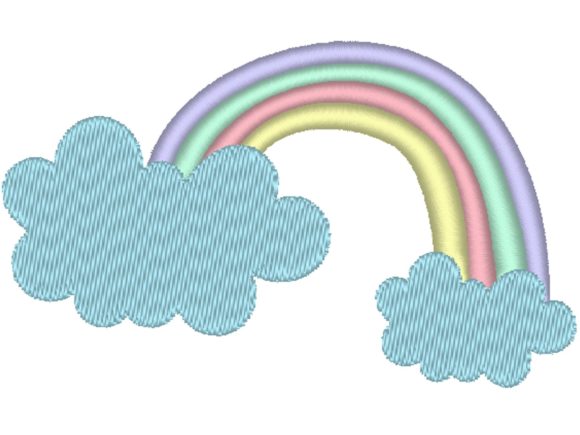
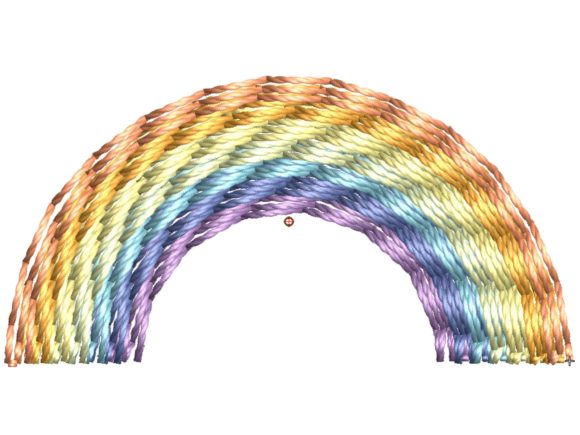
As an experienced embroidery designer, the first thing I look for in a digital embroidery file is how it aligns with brand aesthetics and functionality. The Small Simple Rainbow design immediately catches my attention with its clean and approachable appearance. Based on the title and description alone, this machine embroidery design feels like it could be ideal for small business merch—especially those targeting a warm, inclusive audience. The name "Small Simple Rainbow" gives away much of what to expect: a compact, uncomplicated design that likely features soft curves and minimalistic details. While the product description doesn't provide stitch count or file format specifics, the emphasis on being a digital embroidery file suggests flexibility across different platforms and machines. It’s not a patch, but it can be used to create one—an important distinction for businesses looking to produce custom apparel or branded items.Real Business Use Cases for Small Simple Rainbow
The beauty of Small Simple Rainbow lies in its adaptability. Here are several ways it could enhance your brand through embroidered patches and other small business merch:
- Embroidered Patches: This design is well-suited for creating embroidered patches for tote bags, jackets, or even baby carriers. Its simplicity ensures it won’t overwhelm smaller surfaces.
- Staff Uniforms: A subtle rainbow emblem on a sleeve or chest area can add a touch of personality to work shirts without detracting from professionalism.
- Apron Embroidery: For handmade shops or cafés, using this design as a detail on aprons adds a friendly, creative flair that resonates with customers.
- Cap Embroidery: If placed discreetly on the back of a cap or along the brim, it serves as a great visual signature for a boutique or craft brand.
- Tote Bag Markers: As a corner accent or side detail, it helps reinforce brand identity while keeping the overall design uncluttered.
- Event Merchandise: When paired with event names or dates, the rainbow becomes a memorable and visually appealing element for giveaways or fan gear.
- Boutique Merchandise: Whether stitched onto hats, pouches, or baby clothes, the design brings a sense of care and positivity that fits well with lifestyle brands.
- Handmade Product Accents: On packaging tags, labels, or gift wrap, the Small Simple Rainbow offers a decorative yet professional touch.
What stands out here is how the design supports both visual branding and emotional connection. A rainbow often symbolizes joy, inclusivity, and creativity—perfect for businesses in the babies, handmade, or lifestyle niches.
Where Caution Is Needed in Commercial Embroidery Projects
While the Small Simple Rainbow is charming and versatile, there are specific scenarios where you should take extra precautions before using it:- Small Patch Sizes: Because of its nature, the design may lose clarity when scaled down too much. Always check how it looks at minimum embroidery size.
- Cap Fronts: Avoid placing it directly on the front unless it's part of a larger, more balanced logo design. It might appear too diminutive or disconnected.
- Curved Surfaces: The smooth lines of the rainbow make it suitable for curved areas, but always test how it conforms to shapes like sleeves or round caps.
- Tiny Lettering (if included): If the design includes text, ensure the font remains legible at smaller sizes and doesn’t compromise the overall look.
- High Stitch Density: Depending on how it's digitized, some sections might have high stitch density, which could lead to puckering or tension issues on certain fabrics.
- Detailed Outlines: The simplicity of the design means outlines must be crisp. Any distortion during stitching could affect the final result.
- Textured Fabric: On canvas, denim, or other thick materials, the design might need adjustments in depth or thread choice to maintain clarity.
- Dark Uniforms: Thread color contrast is key. If using on dark garments, choose lighter thread colors to ensure visibility and vibrancy.
- Frequent Washing: Since this design may involve multiple threads, ensure the embroidery is secure enough to withstand repeated washing, especially if used on kids’ clothing or workwear.
These considerations help avoid common pitfalls in commercial embroidery and ensure the design remains impactful and durable across various applications.
Impact on Brand Identity and Customer Engagement
Incorporating the Small Simple Rainbow into your brand assets can significantly boost customer recognition and trust. Its gentle, non-aggressive shape makes it ideal for businesses aiming to project warmth and community spirit. From an embroidery perspective, the design supports visual consistency across different merchandise types—whether it's a cap embroidery or a tote bag design.
Using this design consistently across staff uniforms, branded packaging, and promotional items reinforces a cohesive brand identity. Customers will begin to associate the rainbow with your values and style, increasing familiarity and loyalty. In the context of small business merch, especially for Etsy sellers or handmade brands, such a motif can also signal inclusivity and positive energy, making it particularly engaging for younger audiences or niche markets.
Design Notes for Optimal Embroidery Results
To get the most out of the Small Simple Rainbow embroidery file, here are some practical steps I recommend taking before production:- Test in Black and White First: Confirm how the design looks without color, especially if you're planning to use it on darker fabrics or in grayscale prints.
- Check Small Patch Size Performance: Try stitching it on a 2-inch patch to see how it holds up without losing definition.
- Review Thread Color Contrast: Choose thread colors that stand out against your fabric background. Don’t assume white thread will pop on every material.
- Inspect Spacing and Shape: Ensure the spacing between the colors and the curvature of the arc remain consistent across different placements and scales.
- Confirm Hoop Size: Without exact specifications, always test the design in the hoop size you plan to use in production. Some embroidery files behave differently depending on their containment.
- Test on Real Fabric: Never rely solely on digital mockups. Stitch the design on actual materials to assess how it interacts with fabric texture and stretch.
- Use Proper Stabilizer: Especially on stretchy or thin materials, stabilizing the fabric is crucial to prevent distortion and puckering.
- Create a Printable Mockup: Before mass production, show a sample to your client or team to confirm it meets expectations and complements other design assets.
- Confirm Commercial Licensing: Make sure the seller explicitly allows for commercial use. Otherwise, your custom apparel could run into legal issues later.