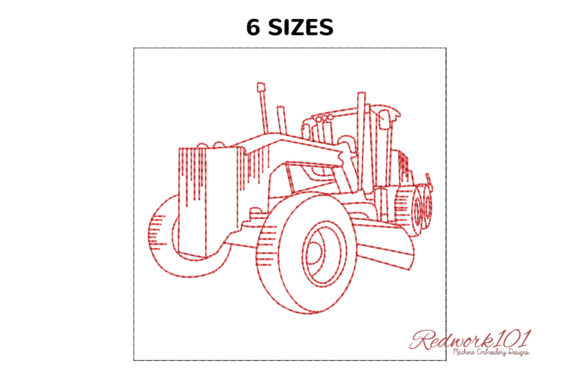
Motor Grader Embroidery Design Review for Small Business Merch
First Impressions of Motor Grader: A Strong, Professional Look
As an experienced embroidery designer, I always look for designs that align with a brand’s visual identity and can be adapted across various products. Motor Grader gives off a professional and bold first impression. It has the potential to add a modern yet grounded feel to any merchandise or patch project.
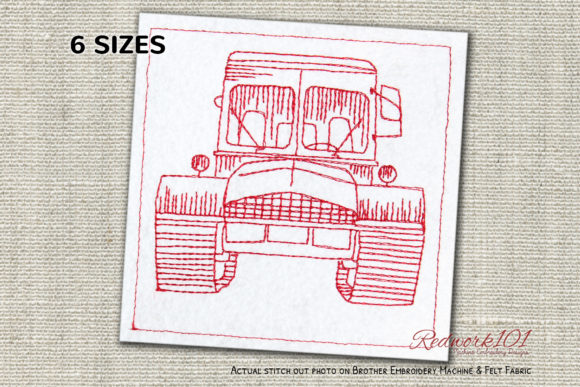
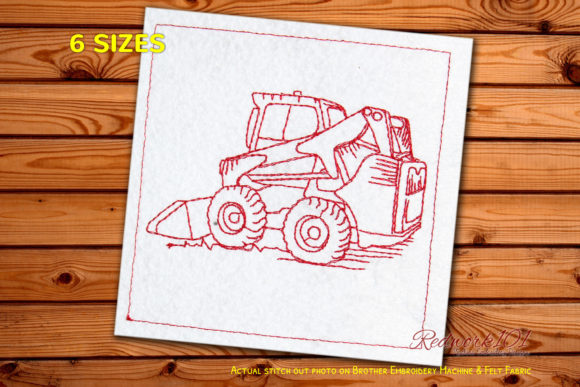
The title suggests this is a machine embroidery design, and while the description is brief, it hints at flexibility—specifically regarding the optional box stitch and color choices. This makes it appealing for small business owners who want customization without compromising on quality or clarity.
Staff Uniforms and Workwear
For businesses like cafés, bakeries, or local shops that use custom apparel for staff, Motor Grader could serve as a strong chest logo accent. Its structured form fits well on work shirts and aprons, especially when paired with minimalistic branding strategies. The optional box stitch adds a subtle border that enhances visibility without being overbearing.
Patch Designs for Branding
If you're considering using Motor Grader as an embroidered patch, its adaptability shines. Whether it's a lapel pin for a boutique owner or a back pocket detail on a uniform, the design offers enough character to stand out. However, the outer box may need adjustment if it doesn’t naturally fit into your brand’s aesthetic.
Cap Embroidery and Tote Bag Details
Motor Grader works particularly well as a cap design or sleeve detail. On tote bags, it can serve as a mark of identity—especially if your business focuses on craftsmanship, transportation, or industrial themes. Just keep in mind that for curved surfaces like caps, the layout might require tweaking to ensure proper alignment and legibility.
Product Packaging Accents and Customer Gifts
This design could also be used subtly on product packaging or customer gifts such as branded lanyards, keychains, or small pouches. As a digital embroidery file, it provides a consistent look across multiple items, helping to reinforce brand identity through repetition and recognition.
Where to Use Motor Grader with Caution
While Motor Grader is versatile, there are some limitations to consider before placing it on every item:
- Small Patch Sizes: The design might lose detail when reduced too much. Always test it at the intended scale.
- Curved Surfaces: Caps or sleeves may require additional design adjustments to avoid distortion.
- Tiny Lettering: If the design includes text, verify that it remains legible at smaller sizes.
- High Stitch Density: Be mindful of fabric type and tension; high-density areas could cause puckering or stiffness.
- Detailed Outlines: While the box stitch is optional, intricate outlines might not translate well on all materials.
- Textured Fabric: Consider how the texture will affect the overall appearance of the embroidery.
- Dark Uniforms: Thread color contrast is essential for visibility. Test thread colors against your base fabric.
- Frequent Washing: Items like aprons or uniforms should be tested for durability under repeated laundering.
Brand Identity and Visual Consistency
Incorporating Motor Grader into your design assets can significantly enhance brand identity. Its clean lines and bold presence make it suitable for both premium and rustic aesthetics, depending on the execution. For handmade brands or craft-focused businesses, it conveys a sense of reliability and professionalism.
When used consistently across small business merch—like aprons, tote bags, and caps—it helps create a unified visual language. Customers begin to recognize the motif, which builds trust and reinforces your brand's message. That’s why it's important to review how it looks beside other design elements before finalizing the finished product.
Designer Notes for Optimal Use
Here are some practical tips to ensure Motor Grader performs well in commercial embroidery projects:
- Test in Black and White First: This allows you to assess the shape and structure without color bias.
- Check Small Patch Size Performance: Resize the embroidery file to see how it holds up on compact surfaces.
- Review Thread Color Contrast: Especially if using it on dark uniforms or tote bags, choose threads that pop.
- Inspect Spacing and Layout: Ensure characters or elements don’t run together, especially in condensed versions.
- Confirm Hoop Size: Though hoop size isn't specified, always check compatibility with your machine before production.
- Use Proper Stabilizer: To maintain fabric integrity and prevent distortion during stitching.
- Create a Printable Mockup: Present clients with a realistic preview to confirm placement and scale.
- Compare with Other Design Assets: Maintain visual harmony by ensuring it complements existing logos or motifs.
- Confirm Commercial Licensing: Before using it for commercial embroidery, verify that the file comes with appropriate rights for resale or distribution.
Final Thoughts on Motor Grader for Business Applications
Motor Grader is more than just a decorative element—it’s a design that brings personality and purpose to custom apparel and branded patches. When used thoughtfully, it can elevate your handmade product presentation and help your business stand out in a competitive market.
Whether you’re an embroidery shop, a product designer, or a small café owner looking to add a touch of uniqueness to your small business merch, this design deserves a place in your collection. Just remember to tailor it to your specific needs and test thoroughly before full-scale production.
With the right preparation and attention to detail, Motor Grader can become a valuable part of your brand’s visual toolkit—offering both functionality and flair in everything from apron embroidery to tote bag design and beyond.