Skid-Steer Loader Embroidery Design Review
As an embroidery designer with years of experience in creating and evaluating machine embroidery designs for a wide range of handmade and commercial products, I always look for pieces that not only catch the eye but also perform well across different materials and stitching scenarios. The Skid-steer Loader design is one such piece that caught my attention due to its mechanical charm and bold visual presence.
First Impressions and Visual Personality
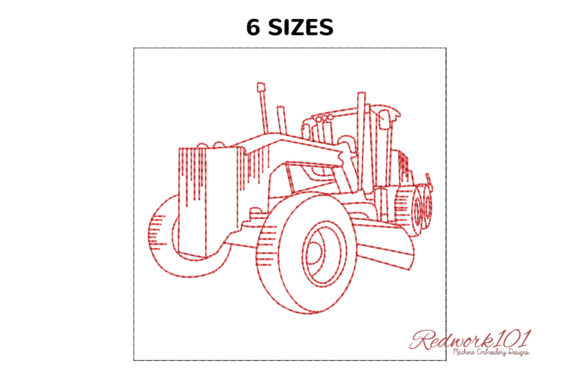
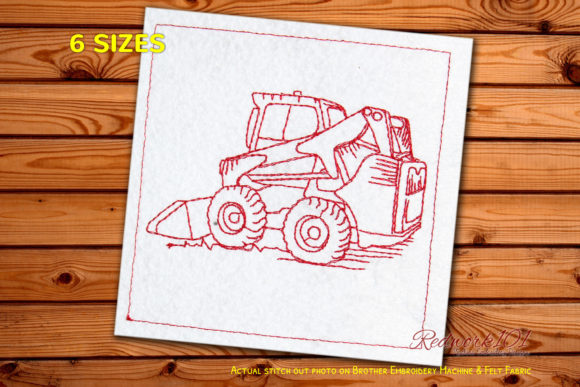
The first thing that stands out about the Skid-steer Loader design is its strong, industrial vibe. It’s clean enough to be versatile yet detailed enough to feel authentic when stitched. The stylized representation of the loader gives it a modern edge—ideal for urban-themed apparel or utility-focused gear like aprons and workwear. What I especially appreciate is how the optional box stitch framing can either anchor the design as a standalone patch or serve as part of a larger composition on items like tote bags or sweatshirts.
If you're aiming to create something that feels both rugged and refined, this design checks the right boxes. It doesn’t scream loud, but it has a quiet confidence that makes it memorable. Its layout is balanced, with clear lines and defined shapes that make it easy to read from a distance—an important trait for any design intended for wearable art or branding purposes.
Real-Life Application: A Tote Bag Project
Let’s imagine using the Skid-steer Loader on a custom embroidered tote bag for a local hardware store or a maker fair vendor. The design would immediately communicate strength and reliability—perfect for a brand that prides itself on durability and practicality. With proper thread color choices and stabilizer, it could look sharp on a medium-weight cotton canvas or twill fabric.
I’d suggest starting with a black or navy background for maximum contrast. Since the outer box can be skipped or customized, you have the flexibility to adapt it into a corner logo or even blend it with other elements. The key here is ensuring the loader's main body remains legible after stitching. If the original file includes too much density in the wheels or body, it might risk looking muddied on coarser fabrics. So, keep an eye on stitch count and spacing before finalizing your setup.
Performance Across Different Embroidery Projects
- Custom Apparel: This design works well on sweatshirts and t-shirts, particularly if the fabric is stable and mid-weight. For baby clothes, consider simplifying the design or reducing the size to maintain softness and comfort.
- Tote Bags: The bold shape of the loader complements structured canvas totes. Just ensure the hoop size is appropriate and that the stabilizer supports the weight without puckering.
- Patches & Aprons: As an embroidered patch or part of a larger apron design, the Skid-steer Loader adds character and a touch of personality. It’s great for crafters who want to offer unique, niche-style accessories.
- Nursery or Holiday Decor: While the theme may seem unconventional for a nursery, it can be softened with pastel threads or paired with more whimsical elements. For holiday gifts, think of personalized aprons or cozy oven mitts with the loader subtly incorporated into the corner.
- Commercial Embroidery: Small shop owners and Etsy sellers will find this design fits well into product collections aimed at outdoor enthusiasts, construction workers, or DIY communities. It brings a sense of professionalism and specificity that helps elevate handmade products into branded merchandise.
Where Caution Is Advised
Despite its strengths, there are a few areas where the Skid-steer Loader demands careful handling:
- Small Hoop Sizes: If you plan to use it on tiny patches or caps, scaling down the design may compromise readability. Always test the smallest version you intend to use on scrap fabric.
- Textured Fabrics: On denim, burlap, or similar textures, the design might lose some of its crisp edges unless you adjust stitch density and use a suitable stabilizer.
- Stretchy or Thin Fabrics: Stretchy materials like spandex blends or thin knits require extra care. High stitch density can cause distortion, so it’s best to use a cut-away or tear-away stabilizer and maybe reduce fill stitch coverage slightly.
- Dark Fabric Backgrounds: Thread color choice becomes critical here. Light-colored threads pop better on dark backgrounds, but if the design relies on subtle shading, consider whether that detail will still show up after stitching.
- Curved Surfaces: When applying to curved surfaces like caps or sleeves, make sure the design is segmented properly to avoid stretching or misalignment during hooping.
- Detailed Corners and Tiny Lettering: If the design includes small text (e.g., "Power" or "Loader"), these areas should be tested separately. Some loaders include intricate details that may not translate well on smaller scales.
Visual Appeal and Brand Impact
What I love most about this design is how it enhances the visual appeal of any project. The loader isn't just a vehicle—it’s a symbol of hard work and innovation. That kind of symbolism resonates well with customers, especially in niche markets like farm-to-table boutiques, tool shops, or outdoor lifestyle brands.
When applied correctly, the Skid-steer Loader adds a layer of authenticity and craftsmanship to the finished product. Whether it’s a gift item or part of a boutique line, it shows attention to detail and purpose. Customers tend to notice these kinds of designs, which in turn boosts buyer engagement and perceived value.
Handmade Presentation and Professionalism
For hobbyists and small business owners alike, the Skid-steer Loader offers a great opportunity to add a professional touch to their handmade offerings. The design’s clarity allows for consistent results, which is essential for maintaining brand consistency across multiple items. That said, don’t underestimate the importance of previewing the design in a printable mockup before sending it to production. Seeing how it looks on different colors and materials can help prevent surprises once the needle hits the fabric.
Designer Tips for Best Results
Before diving into a full project, here are some steps I recommend taking to ensure the Skid-steer Loader performs optimally:
- Test on scrap fabric to evaluate how it handles your specific material and machine settings.
- Check thread color contrast against your chosen fabric. Use a light background with dark thread or vice versa for the best visibility.
- Review stitch density, especially in the loader's body and wheels. Adjust as needed for stretch or texture.
- Confirm the hoop size required. If you’re unsure, scale the design down gradually until you find the sweet spot.
- Inspect small details like logos or lettering to ensure they remain legible after stitching.
- Use black-and-white mockups to assess how the design will look in grayscale—this is helpful for those planning to customize thread palettes later.
- Compare the design on light and dark fabric backgrounds to understand how thread choices affect visibility.
- Always use the correct stabilizer for the fabric type. Avoid over-stabilizing, which can lead to stiffness in softer items like pillow covers or tea towels.
- Make sure the design aligns with your commercial goals. Check licensing information if you plan to sell the finished product or digital files.
Design Versatility and Stitch Clarity
The Skid-steer Loader is a solid addition to your machine embroidery design collection, especially if you're working with themes related to transportation, machinery, or urban life. However, its effectiveness depends heavily on how it’s implemented. Pay close attention to stitch clarity, especially around the loader’s tracks and cab. These details are what give the design its identity, and losing them can make the final result feel flat or unprofessional.
Also, consider the placement carefully. For example, on a sweatshirt, centering it over the chest can work well, but for a cap, positioning it off-center or adjusting the scale is crucial to avoid distorting the image when stitched on a curved surface.
Final Thoughts for Crafters and Business Owners
In summary, the Skid-steer Loader is a standout embroidery file that can bring a fresh, functional aesthetic to various handmade and commercial projects. Its potential lies in thoughtful application—choosing the right fabric, thread colors, and stabilizer can make all the difference. It’s not a one-size-fits-all design, but with a bit of experimentation, it can become a valuable asset in your creative toolkit.
If you're an Etsy seller or someone running a craft business, this design can help you stand out by tapping into the growing demand for personalized, thematic, and high-quality embroidered goods. It’s also worth noting that the option to skip the outer box opens up more possibilities for integration into existing patterns or branding layouts.
Remember, every embroidery project starts with a good evaluation. Take the time to test, tweak, and tailor this design to your needs. When done right, the Skid-steer Loader won’t just look good—it’ll tell a story that customers will respond to, helping your handmade product shine in a competitive market.