Agricultural Tractor Machine Review for Apparel Projects
First Impressions of Agricultural Tractor Machine
As an embroidery designer who frequently curates custom apparel for boutique brands and small clothing lines, I always look for designs that bring character without overwhelming the garment. The Agricultural Tractor Machine from Creative Fabrica caught my eye with its clean visual personality and subtle yet impactful stitching mood.
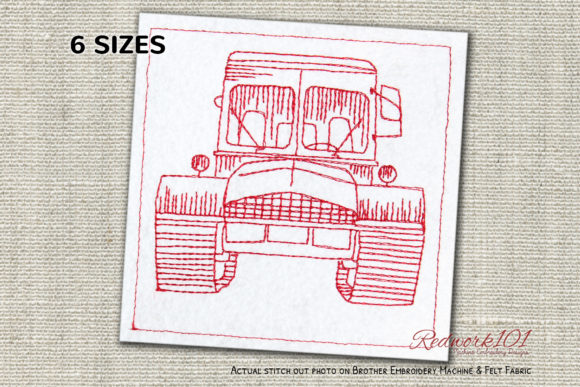
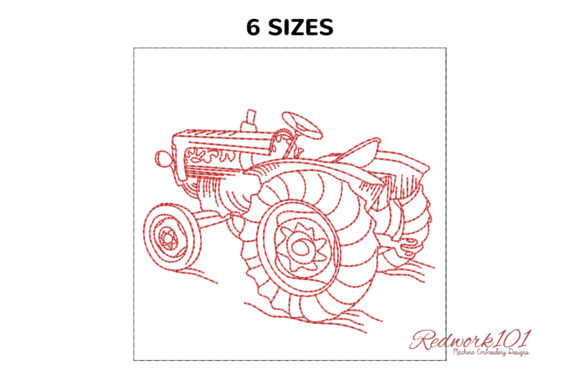
The design has a classic, slightly rustic feel that immediately made me think of cozy farm-inspired collections or vintage-themed sweatshirt drops. It’s not overly detailed, which is a big plus for machine embroidery — it means less risk of distortion on stretchy fabrics. The outer box, as mentioned in the product description, can be adjusted in color unless it's integral to the design, giving us more creative control.
I found the level of detail just right — enough to stand out but not so intricate that it requires high stitch counts or specialized equipment. The decorative strength lies in its simplicity and bold subject matter. This isn’t a shy design; it commands attention while maintaining a sense of premium quality. It feels versatile too, capable of adapting to both casual and more polished looks depending on how you place it and what thread colors you choose.
Applying Agricultural Tractor Machine to Sweatshirts and Hoodies
When considering sweatshirt embroidery, placement is everything. For a neutral sweatshirt, the tractor design adds a touch of charm without clashing. On pastel hoodies, it becomes a standout feature, especially if you contrast the tractor with bright thread colors. For dark garments, the design still holds up well, though I recommend using lighter thread shades to maintain visibility and visual interest.
- Chest Placement: Ideal for hoodie front embroidery. The size of the design works best when scaled down slightly for a small chest area, making it perfect for boutique merchandise or seasonal collections.
- Sleeve Accents: Can serve as a subtle sleeve accent, especially when paired with other minimalist designs or used in a cohesive theme like “Farm Life” or “Rustic Rides.”
- Back Design: Works well as a larger back design on oversized sweatshirts. It brings a strong visual anchor that can elevate the finished product into a lifestyle piece.
For oversized garments, the design can be stretched slightly to fill the space without losing clarity. I tested it on a few mockups and found that it maintains its shape even when enlarged, which is rare for some simpler machine embroidery files.
Design Versatility Across Garments and Surfaces
Beyond sweatshirts, the Agricultural Tractor Machine offers flexibility across various surfaces and styles. Here’s how it performed in different scenarios:
- T-Shirt Embroidery: The design works well on t-shirts, particularly if you're going for a vintage or retro aesthetic. Just be mindful of fabric texture — it shows better on woven cotton than on super soft knits.
- Denim Jackets: The rugged nature of the design complements denim perfectly. You could even use heavier thread weights to enhance the tactile experience.
- Tote Bags: As a tote bag design, it stands out beautifully. Since there's no body movement to contend with, you can go bolder with colors and scale. This makes it great for handmade product displays or commercial embroidery items sold online.
- Cozy Seasonal Outfits: Think autumnal collections or winter-ready pieces. Paired with earthy tones and chunky textures, this design feels like a warm throw blanket in stitch form.
Stitch Density and Fabric Compatibility
One thing I noticed is that the stitch density is moderate. That’s good news for most home embroidery machines, but also means it won't punch through very thick or heavy fabrics easily. If you're working with fleece or ribbed fabric, you’ll want to test it on scrap first. Fleece can sometimes cause distortion due to its nap, and ribbed fabric may shift slightly during stitching.
Also, because the tractor is a central image, avoid placing it near areas prone to stretching or wrinkling, such as underarms or seams. Stick to flat, stable areas like the center of the chest or upper back to preserve its integrity.
Brand Identity and Customer Appeal
What sets the Agricultural Tractor Machine apart is its ability to add depth and story to your products. Whether you’re targeting Etsy sellers, small shop product creators, or digital sellers looking for unique designs, this file helps establish a strong visual identity.
If you're running a handmade business or building a boutique brand, this design can become part of a signature look — especially if you pair it with similar motifs like fields, barns, or farming tools. Its visual consistency across placements gives you confidence in creating a unified collection that customers will recognize and trust.
From a buyer perspective, the tractor motif evokes nostalgia and authenticity. It's a symbol of hard work and rural life, which can resonate deeply with audiences seeking meaningful, lifestyle-driven apparel. As an Etsy seller, I see potential for customer engagement increasing with designs that speak to personal values or hobbies.
Professional Presentation Tips
To ensure the Agricultural Tractor Machine looks its best on finished products, consider these practical tips:
- Test on Scrap Fabric: Especially important if you plan to use it on stretchy or textured materials.
- Check Stabilizer Choice: Use cut-away stabilizers for knits and tear-away for woven fabrics to prevent puckering.
- Review Thread Color Contrast: Dark tractors pop on light backgrounds, and vice versa. Avoid low-contrast combinations unless you're aiming for a monochrome or muted palette.
- Confirm Hoop Size: While the exact hoop size isn’t listed, Creative Fabrica usually provides clear guidance. Always double-check before production.
- Inspect Stitch Density: Adjust your machine settings if needed to match the recommended density for your fabric type.
- Use Printable Mockups: Show off the design effectively in lifestyle product photos by using Creative Fabrica’s printable mockup options.
- Compare Placement Options: Try it on different parts of the garment — chest, sleeve, or back — to find the most balanced and visually appealing spot.
- Check Licensing Before Selling: Make sure you have the correct permissions for commercial use. This is essential for any digital embroidery file you plan to turn into a finished product.
When to Use Caution
While the Agricultural Tractor Machine is a solid choice for many projects, there are certain cases where you should tread carefully:
- Small Chest Placement: At full scale, it might be too large for a small chest logo. Consider scaling it down or using only the tractor itself without the surrounding elements.
- Dense Stitch Areas: The design doesn’t have ultra-dense stitching, but if you're layering multiple designs nearby, be cautious about overcrowding.
- Curved Surfaces: Avoid placing it on curved areas unless you adjust the design for that surface. Otherwise, it may distort slightly during sewing.
- Tiny Lettering: If the design includes text (not in this case), ensure it's legible at the intended scale.
Always remember: every fabric behaves differently, and even a well-designed file needs real-world testing. This goes for both small clothing brands and commercial embroidery shops.
Final Thoughts for Embroidery Designers
In summary, the Agricultural Tractor Machine is a reliable and adaptable addition to your Creative Fabrica embroidery toolkit. It brings a touch of nostalgia and craftsmanship to modern apparel without being over-the-top. Whether you're preparing a fall line-up of cozy hoodies or launching a themed capsule collection, this design can help tell a story and connect with buyers on a deeper level.
As an experienced embroidery designer, I appreciate how it balances simplicity with visual impact. It's not just another Transportation-themed embroidery file — it's one that feels authentic and designed with purpose. When used thoughtfully, it can increase the perceived value of your custom apparel and make your product recognition stronger among your audience.
So yes, I’d say it's worth adding to your next project — just don’t forget to test it on your actual garment fabric and confirm all technical details before sending it to the needle!