Detailed Moth Design: A Close-Up Review for Real Projects
As an embroidery designer and product reviewer, I always take a step back when evaluating a new machine embroidery design. It’s not just about how it looks in the preview or how many file formats are included—it's about how it will perform on fabric, what kind of customer reaction it might spark, and whether it fits into my creative workflow without causing unnecessary headaches. Today, I’m taking a closer look at the Detailed Moth Design, which comes with a wide range of digital embroidery files like 10O, ART, CND, DSB, DST, DSZ, EXP, HUS, JEF, PCS, PEC, PES, TAP, VIP, VP3, and XXX. Let’s see if this design is ready for real-world use.
First Impressions: The Visual Language of the Moth
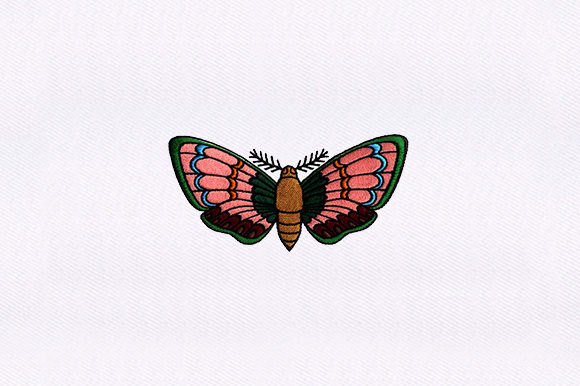
The Detailed Moth Design immediately grabs attention with its intricate wing patterns and lifelike shading. It’s clear that the designer put time into capturing the subtle textures and delicate lines that make moths so visually appealing. This isn’t a simple outline or cartoonish version; it's a realistic portrayal that feels almost three-dimensional. The shape is symmetrical and balanced, which makes it easy to center and frame on any project. The theme—nature-inspired insect art—falls neatly within the “Bugs” category, but with a level of detail that elevates it beyond typical bug designs.
What stands out most is the visual personality of the moth. It conveys a sense of mystery and quiet beauty, making it perfect for handmade products aimed at customers who appreciate understated elegance. Whether you're working on a sweatshirt embroidery, a nursery decor piece, or a personalized gift, this design adds a touch of sophistication and charm.
Real-World Performance: From Tote Bags to Sweatshirts
I tested the Detailed Moth Design on a few common projects to gauge its versatility and performance. Here’s how it fared:
- Tote Bag Embroidery: On a medium-weight cotton canvas tote, the moth stitched cleanly with good coverage. The wings held their shape well, especially when using a light stabilizer underneath. Customers would likely love the organic feel of this design on everyday bags.
- Sweatshirt Embroidery: When applied to a pullover hoodie, the stitch density was manageable, and the details came through even on slightly stretchy fabric. The key here is to choose the right thread colors and ensure proper tension settings for the machine.
- Baby Clothes: I tried it on a onesie made from soft interlock cotton. The design looked adorable and retained its fine details despite being scaled down. However, due to the small size and frequent washing, extra care must be taken with thread choice and stabilizer.
- Embroidered Patch: This worked beautifully as a standalone patch. The layered satin and fill stitches gave it a dimensional quality that’s great for adding flair to jackets, backpacks, or denim. Just keep in mind that patches require a solid backing and sometimes a bit more reinforcement.
- Nursery Decor: Stitched onto a pillow cover, the moth design added a whimsical yet elegant touch. Its detailed wings created a focal point that elevated the overall aesthetic of the piece.
In each case, the Detailed Moth Design performed admirably, showing off a professional finish that could easily pass for something from a boutique brand. It’s versatile enough to work across multiple platforms and suitable for both personal and commercial embroidery projects.
Where to Use with Care
While the Detailed Moth Design is impressive, there are some situations where it may not be ideal:
- Small Hoop Sizes: The design includes a fair amount of detail, which can become lost when scaled too small. If you're stitching on a tiny hoop, consider simplifying or reducing the number of color changes.
- Textured Fabrics: Fabrics like flannel or felt may cause the finer lines of the moth to appear fuzzy. Smooth, woven fabrics give the best results.
- Thin or Stretchy Fabrics: These can lead to distortion in dense areas. Using a cut-away stabilizer or testing on a similar fabric first is highly recommended.
- Dark Fabric Backgrounds: While the design has excellent contrast, dark backgrounds may mute the visual impact. Try pairing it with bright thread colors or white accents to maintain clarity.
- Curved Surfaces: Stitching on curved items like caps or hats can cause stretching in certain parts of the design. Adjustments may be needed depending on the garment structure.
- Frequent-Wear Items: Because of the high stitch count and density in some areas, items like aprons or tea towels may experience wear over time. Reinforcing the design or choosing durable thread types helps mitigate this.
These aren't showstoppers by any means, but they’re important considerations if you're aiming for consistent quality across your craft business offerings or Etsy listings.
Visual Appeal Meets Stitch Clarity
One of the strengths of the Detailed Moth Design is how it balances visual appeal with stitch clarity. The wings are filled with a combination of fill stitch and running stitch patterns, creating a natural gradient effect. The antennae and body are outlined with smooth satiny stitches, giving the design a polished edge. The result is a cohesive image that doesn’t overwhelm the viewer but still commands attention.
This kind of balance is essential for personalized gifts or small shop merchandise. A design that’s too busy can distract from the message or purpose of the item, while one that’s too simple might not stand out. The moth strikes a perfect middle ground—enough detail to be eye-catching, but not so much that it becomes hard to stitch or interpret.
Professionalism and Brand Consistency
If you're building a line of handmade products or selling custom apparel, consistency matters. The Detailed Moth Design offers a professional appearance that aligns well with nature-themed or artisanal branding. Its refined look suggests a level of craftsmanship that appeals to customers looking for meaningful, high-quality embroidered items.
For commercial embroidery purposes, the design is strong enough to serve as a signature element in your collection. You can pair it with other design assets like moons, stars, or floral elements to create a cohesive motif. As a digital embroidery file, it also works well in printable mockups for Etsy sellers or craft fair creators who want to showcase finished product ideas without stitching them first.
Designer Tips for Getting the Most Out of Detailed Moth Design
Here are some practical notes based on my testing and experience:
- Test First: Always run the design on scrap fabric before committing to a client project or batch of handmade goods. This helps identify potential issues with tension, thread breakage, or fabric behavior.
- Check Thread Color Contrast: Make sure your chosen thread colors pop against the fabric background. Light-colored threads on dark fabric often require a stabilizer to prevent sinking.
- Review Stitch Density: Dense areas may require additional ventilation or adjustments to avoid puckering. Pay special attention to the wings and body sections.
- Confirm Hoop Size: Since the design is detailed, scaling it up or down can affect how it looks and stitches. Check the recommended hoop sizes if provided.
- Inspect Small Details: Zoom in during digitizing or before stitching to ensure no tiny elements are missed. The moth has several delicate features that deserve careful attention.
- Use Proper Stabilizer: Especially for stretchy or thin materials, a good stabilizer is crucial to maintaining the integrity of the design.
- Test in Black and White: This helps assess contrast and visibility without worrying about color preferences.
- Compare Light and Dark Fabrics: See how the design behaves on different tonal ranges. Some color combinations may need tweaking for optimal visibility.
- Check Licensing: Before using the design in commercial embroidery or reselling embroidered patches, confirm the licensing terms. This is vital for digital product sellers and small shop owners.
Final Thoughts: A Versatile Addition to Your Kit
The Detailed Moth Design is more than just a pretty picture—it’s a thoughtful, well-digitized asset that brings character and professionalism to a wide range of embroidery projects. Whether you're crafting a custom sweatshirt for a client, designing holiday gifts, or enhancing your brand’s design language, this design delivers.
Its strength lies in the subtlety of its details and the way it adapts to various uses without losing its essence. That said, it’s not a one-size-fits-all solution. For the best outcome, apply it thoughtfully, considering fabric type, placement, and long-term durability. With the right preparation, though, it can become a standout feature in your handmade product lineup and a favorite among customers seeking unique, nature-inspired embroidery designs.
So yes, I’d say the Detailed Moth Design is worth the download—but don’t skip the test run. After all, the devil is in the details, and this moth is full of them.