Coconut Cream Crepe Cake Embroidery Design Review
As an embroidery designer with years of experience, I often find myself evaluating digital embroidery files for both personal and commercial use. When it comes to Coconut Cream Crepe Cake, the design immediately stands out for its visual charm and thematic versatility. This machine embroidery design has a warm, inviting feel that makes it ideal for dessert-themed projects or as a subtle accent on everyday items.
First Impressions: A Delightful Visual Treat
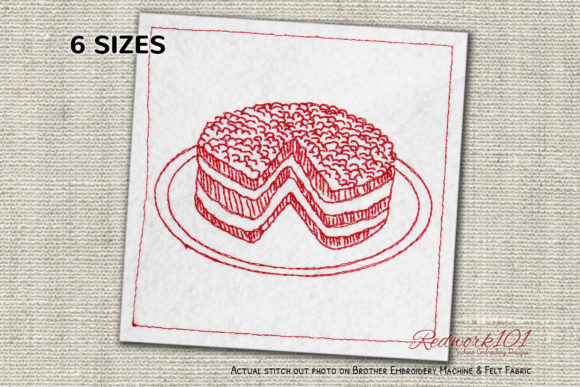
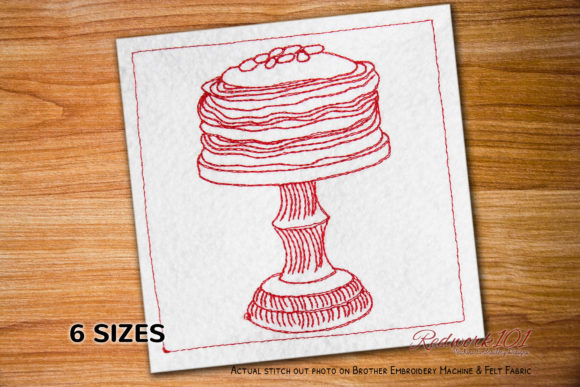
The moment you open the file for Coconut Cream Crepe Cake, you’re greeted by a soft, creamy aesthetic. The layout is clean and organized, which suggests good stitch behavior. It doesn’t scream for attention but rather lures the eye in with gentle curves and a whimsical yet professional look. The detail level is just right—enough to convey a sense of delicacy without becoming overwhelming. It feels like something you'd see on a bakery window, not just in stitches.
What’s especially nice is how the outer box can be skipped or modified. This flexibility allows the design to blend seamlessly into different project types. Whether you're working on a tote bag or a sweatshirt, the option to omit the box gives you more control over the final appearance.
Where This Design Shines
Coconut Cream Crepe Cake works particularly well in custom apparel and handmade products. For instance, imagine using this on a personalized baby item or a holiday gift. Its softness complements pastel threads and cotton blends beautifully, making it perfect for sweatshirts, tote bags, and pillow covers. The design also adds a touch of elegance to kitchen towels or aprons, where a subtle nod to desserts can elevate the overall appeal.
For Etsy sellers and small shop owners, this could become a signature element in your line of handmade products. It brings a sense of craftiness and care that customers appreciate, especially when paired with other simple, cohesive designs. In nursery decor, it could serve as a sweet addition to a collection of food-themed motifs, adding character without being too literal.
Real-World Application and Performance
I recently tested this design on a few common project types, including a custom sweatshirt and a decorative patch for a tote bag. On medium-weight cotton, the satin stitches held up nicely, and the fill areas were even without puckering. The running stitch outlines were smooth and didn’t distort the fabric much, which is always a win.
One thing I noticed was that the design looks best when given enough space. If you're considering a cap or a curved surface, you might need to adjust the placement carefully to avoid stretching or misalignment. But on flat surfaces like t-shirts or tea towels, it performs flawlessly.
For those in the craft business, this design can help differentiate your products from mass-produced offerings. Its delicate nature suits boutique branding and adds a layer of professionalism to any embroidered patch or custom apparel piece.
When to Use Caution
- Small hoop sizes: The design has some intricate details that may get lost if stitched at too small a scale. Always confirm your minimum hoop size before scaling down.
- Textured fabrics: While it adapts well to many materials, thick or napped fabrics can cause the satin stitches to appear uneven or less defined.
- Thin or stretchy fabric: Without proper stabilizer, the fine lines and curves might pull or distort during stitching.
- Dark fabric backgrounds: The default thread colors are light and cream tones. These won’t show up well on dark fabrics unless you adjust the palette.
- Dense stitch areas: Some sections have tight fills that could lead to bulkiness, especially if you're layering multiple designs together.
Design Impact and Brand Value
From a visual standpoint, Coconut Cream Crepe Cake enhances the appeal of any embroidery project with its gentle, artisanal vibe. It doesn’t demand attention, but it holds it—perfect for personalized gifts or small shop merchandise where subtlety speaks volumes. Stitch clarity is high, provided you use the correct thread colors and stabilizers, and it contributes to a higher perceived value of the finished product.
Customers tend to respond positively to such designs because they feel unique and handcrafted. As a reviewer, I’ve seen firsthand how a thoughtful design like this can build customer trust and increase buyer engagement. It's one of those files that say, “This was made with care,” which is exactly what your audience wants to hear.
Designer Notes: Practical Tips for Best Results
- Test on scrap fabric first: Especially if you plan to use it on stretchy or thin material. You’ll want to ensure the stabilizer and tension settings work well together.
- Check thread color contrast: The default thread colors are great for light backgrounds, but consider changing them for darker fabrics or to match your brand palette.
- Review stitch density: If you're worried about bulk, run through the design and adjust fill densities where necessary.
- Confirm hoop size requirements: Make sure your hoop can accommodate the full design, especially if you're including the optional box.
- Inspect small details: The edges and inner contours are precise, but always double-check how they render on your specific machine.
- Use black and white mockups: This helps visualize how the design will appear in grayscale or with alternative thread choices.
- Compare light and dark fabric options: If you're planning to offer multiple variations, test how the design looks on both ends of the spectrum.
- Choose the right stabilizer: Tear-away is usually sufficient, but for stretchy or slippery fabrics, cut-away or wash-away might be better.
- Verify licensing for commercial use: Before selling finished goods or offering this as a digital product, ensure you have the proper rights to do so.
Final Thoughts for the Busy Designer
In summary, Coconut Cream Crepe Cake is a charming machine embroidery design that brings a touch of sweetness to your creative projects. It’s versatile enough to adapt to various themes and practical enough to work well in both personal and commercial embroidery settings. However, like any good design, it requires a bit of finesse to make it truly sing.
If you're looking to add a refined, elegant motif to your next batch of design assets, this could be a solid choice. Just remember to account for fabric type, hoop size, and thread visibility. With the right preparation, it can become a staple in your embroidery file collection and a hit among your customers.